
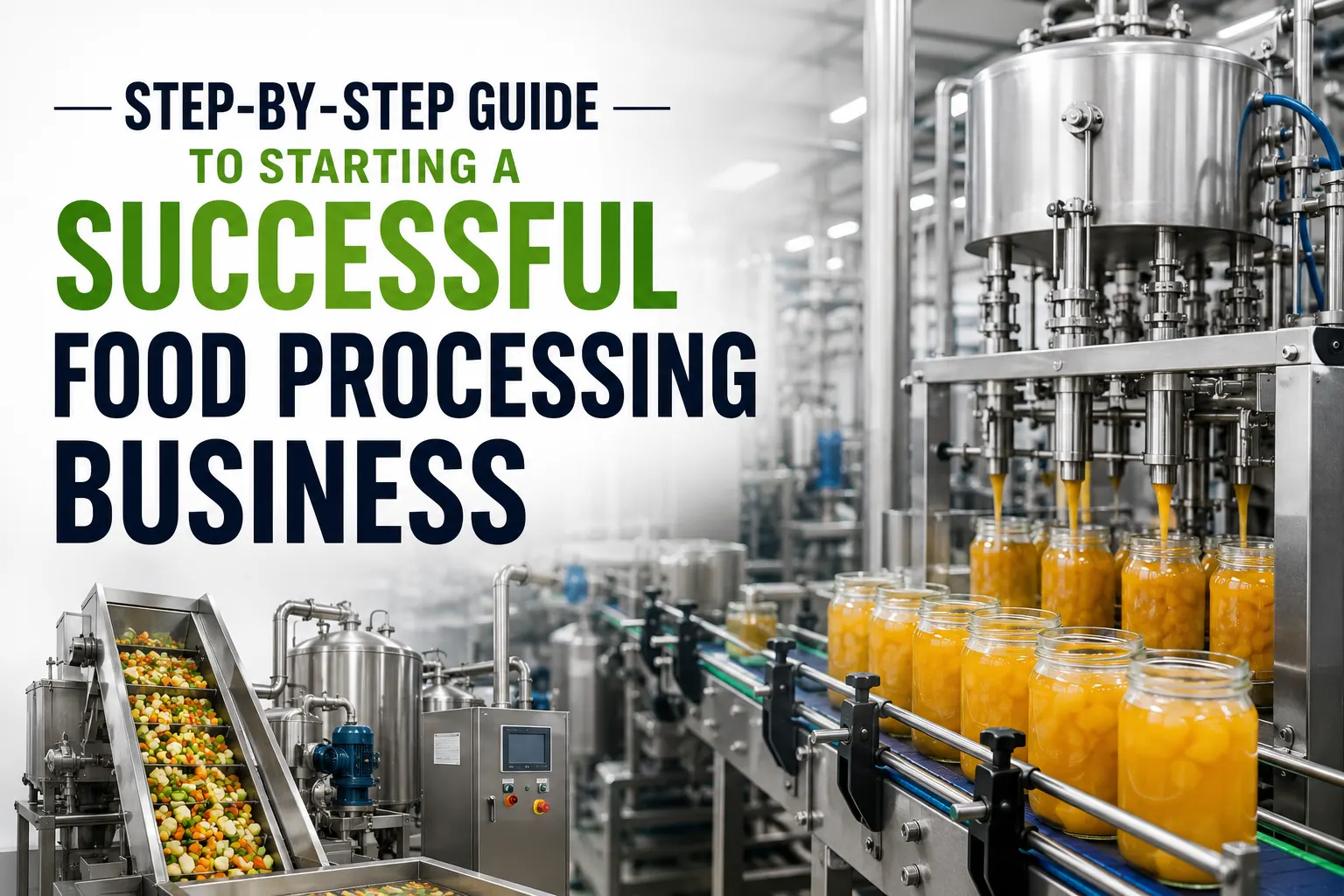
Starting a food processing business can bring a lot of success in the food industry today. The food industry is moving fast and people are buying more packaged foods, ready-to-eat meals, dairy products, sauces and fruit-based products all over the world.
Many entrepreneurs are also searching for profitable food processing business ideas that require scalable equipment, strong hygiene standards, and efficient production systems. Companies like Envitro Technomech support businesses with advanced food processing machinery, turnkey plant solutions, and industrial automation services.
Why the Food Processing Industry Is Growing Rapidly
The global food market is changing quickly. Consumers now prefer hygienic, shelf-stable, and ready-to-cook products.
Key growth drivers include:
- Rising demand for convenience foods
- Increased cold chain infrastructure
- Growth in exports of processed foods
- Better food safety awareness
India’s processed food exports crossed USD 50 billion recently, according to APEDA reports. A modern food processing business can also reduce agricultural wastage significantly. Studies show nearly 30–40% of fruits and vegetables are lost due to poor storage and handling.
Efficient machinery and automated processing systems solve this challenge.
1: Choose the Right Food Processing Business Idea
The first step is selecting profitable and practical food processing business ideas based on your budget and market demand.
Popular options include:
| Business Type | Investment Level | Demand |
| Fruit pulp processing | Medium | High |
| Dairy processing | Medium to High | Very High |
| Spice processing | Low to Medium | High |
| Dehydrated vegetables | Medium | Growing |
| Juice processing | Medium | High |
Businesses with longer shelf life products usually generate better margins.
Envitro Technomech manufactures fruit pulp processing plant, dairy processing systems, retort processing units, evaporators, and juice processing machinery.
2: Research Market Demand and Competitors
Before investing, understand customer demand clearly.
Study:
- Local consumption trends
- Packaging styles
- Pricing strategies
- Distribution channels
For example, healthy snacks, organic juices, and preservative-free sauces are growing categories.
This stage is critical when learning how to start food processing business operations successfully.
3: Create a Detailed Business Plan
A strong business plan improves funding opportunities and operational clarity.
Your plan should include:
- Product category
- Production capacity
- Machinery requirements
- Raw material sourcing
- Licensing costs
Banks and investors usually request a professional business plan before approving funding. A proper plan also helps estimate return on investment and break-even timelines.
4: Select the Right Location
Location directly affects logistics, raw material access, and operating costs.
Choose a location with:
- Easy transportation access
- Water and electricity availability
- Proper drainage systems
- Compliance with industrial zoning laws
Food factories also require hygienic infrastructure and proper waste management systems. Industrial areas usually provide better utility support and regulatory approvals. Some states also offer subsidies for food manufacturing businesses.
5: Obtain Licenses and Certifications
Licensing is essential for any legal food processing business.
Important approvals may include:
- FSSAI License
- GST Registration
- Factory License
- Pollution Control Approval
- IEC Code for exports
Quality certifications improve customer trust and export opportunities.
Envitro Technomech manufactures machinery aligned with FSSAI, USFDA, and hygiene standards.
6: Invest in Quality Food Processing Machinery
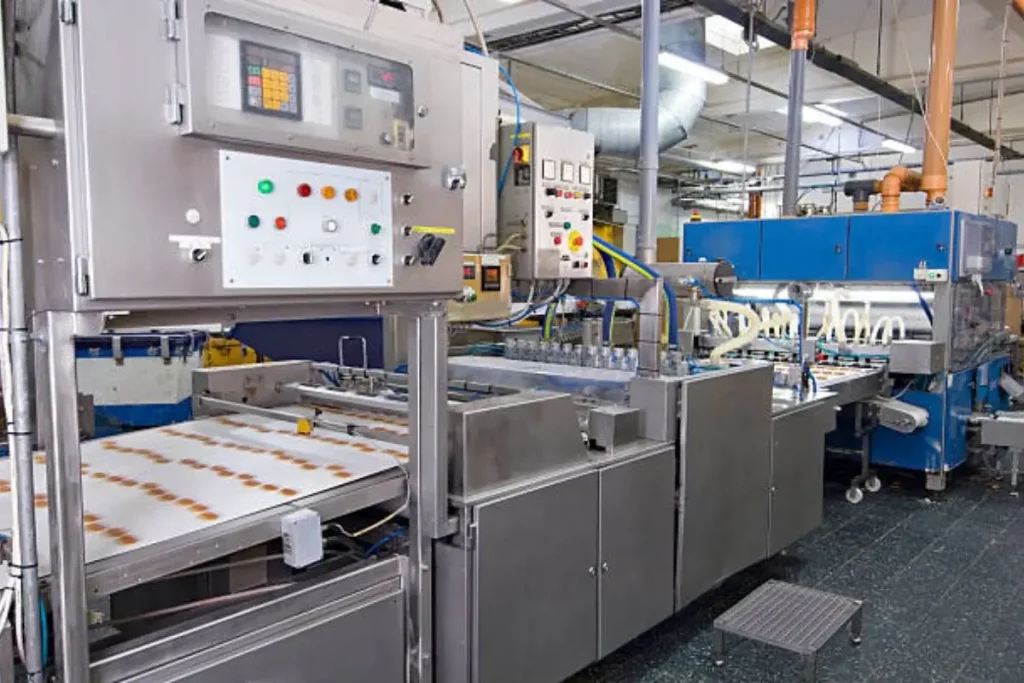
Machinery is the backbone of successful production.
Efficient equipment improves:
- Product consistency
- Production speed
- Hygiene
- Shelf life
- Energy efficiency
Envitro Technomech offers turnkey food processing solutions including fruit and vegetable plants, retort processing systems, pulp plants, dairy equipment, evaporators, and water treatment systems.
7: Build Strong Quality Control Systems
Food quality directly impacts customer trust.
You should test:
- Raw materials
- Water quality
- Packaging materials
- Shelf life
- Microbial safety
According to WHO, unsafe food causes over 600 million illnesses every year globally.
8: Focus on Packaging and Branding
Packaging strongly influences buying decisions.
Modern consumers prefer:
- Attractive packaging
- Tamper-proof sealing
- Sustainable materials
- Informative labeling
Strong branding increases repeat purchases and shelf visibility.
Invest in:
- Professional logo design
- Product labeling
- Nutritional information
- Barcode systems
- Digital marketing
Good packaging also improves transportation safety and shelf life.
9: Develop a Distribution Strategy
Production alone does not guarantee success.
Your distribution channels may include:
- Retail stores
- Supermarkets
- Distributors
- Export buyers
- Hotels and restaurants
This step is crucial when understanding how to start food processing business operations sustainably.
10: Scale Your Operations Gradually
Many startups expand too quickly and face operational issues.
Focus on:
- Reducing wastage
- Improving automation
- Expanding product range
- Building distributor networks
Modern processing plants allow scalable production without major downtime.
Final Thoughts
To have a food processing business you need to plan things out carefully. You will need the machines, good quality control and a solid understanding of the market. If you are thinking about how to start food processing business operations you should think about making things on a scale and following the rules from the very start.
Envitro Technomech helps manufacturers build efficient processing plants with advanced machinery, turnkey installation, and technical support. Their expertise supports businesses looking to improve productivity, food safety, and operational efficiency.
Also Read: Best Dairy Equipment for Small Dairy Plants: Complete Buying Guide
FAQs
Q1. What is the profitable food processing business?
Ans: The profitable food processing business ideas are things like dairy processing and spice manufacturing.You can also make money with to-eat meals, fruit pulp production and snack processing. These food processing business ideas are profitable because people want them.
So the profitable food processing business ideas are dairy processing, spice manufacturing, ready-to-eat meals, fruit pulp production and snack processing.
Q2. How much money do I need to start a food processing business?
Ans: The amount of investment needed varies. It depends on what product you want to make and how much you plan to produce. If you are starting small it might cost you ₹5 to ₹10 lakhs.. If you are setting up a bigger factory it can cost ₹50 lakhs or more.
Q3. Is a food processing business in India?
Ans: The food processing business in India is really doing well. This is making the food processing business in India grow fast. The government is also helping people who want to start a food processing business in India by giving them money and teaching them what to do.
Q4. How Much Investment Is Needed to Start a Food Processing Business?
Ans: The investment required depends on the type and scale of your food processing business. Small-scale businesses may start with basic equipment and a limited budget, while larger operations require advanced machinery and higher capital. It is also important to maintain working capital for daily operations and future expansion.
Q5. What Are the First Steps to Start a Food Processing Business?
Ans: Starting a food processing business begins with selecting the right product and understanding market demand. Research your target audience and identify profitable food processing business ideas that fit current trends. You should also register your business and obtain food safety approvals. Proper planning helps reduce risks and creates a strong foundation for long-term business growth.