
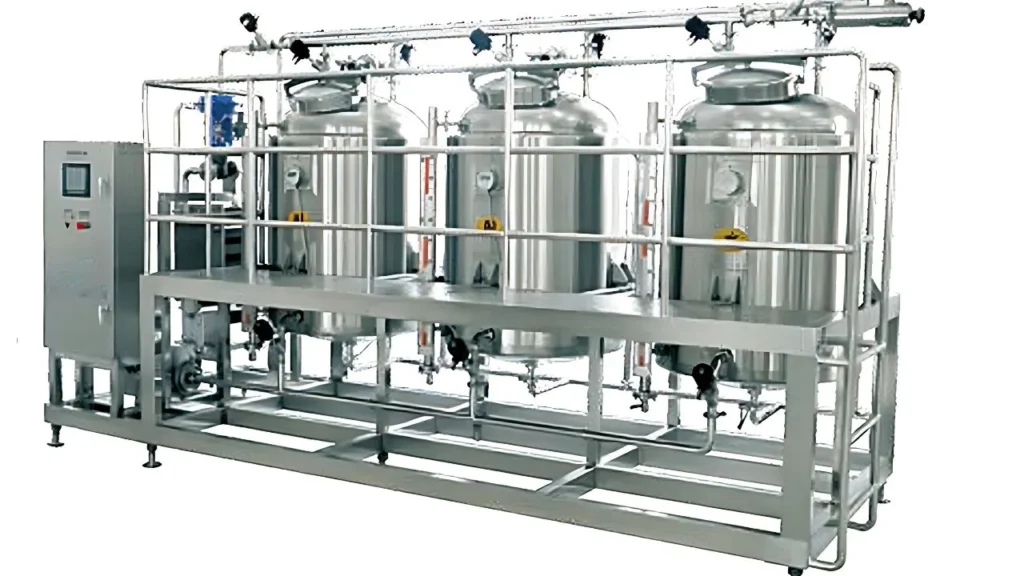
Key Takeaways
- Identify the type of dairy products you plan to produce (milk, paneer, butter, curd, etc.) before selecting equipment.
- Choose machines based on your daily production capacity and future business growth.
- Invest in energy-efficient dairy machinery to reduce operating costs.
- Consider the level of automation to improve efficiency and reduce manual labor.
- Ensure equipment is made from food-grade stainless steel (SS 304/SS 316) for hygiene and durability.
- Select machines that are easy to clean, maintain, and comply with food safety standards.
- Work with reliable manufacturers who provide good after-sales service and spare parts.
- Balance budget and long-term ROI when purchasing dairy plant equipment.
Introduction
Running a small dairy plant can be a profitable business. Due to the growing demand for dairy products like paneer, butter, curd, ghee, etc, then you must invest in the right dairy plant equipment that handles your fast production lines, ensures product quality and efficiency and meets customer demands. In this guide, we help you to choose the right equipment for dairy plants and make the cost effective investment.
Types of Dairy Equipment Used in Small Dairy Plants
Before understanding the guide to find the right dairy equipment and machinery, you must know about the commonly used machines. Here are the common dairy equipment
1. Milking Machines
Milking machines automate the milking process, reducing labor and ensuring efficiency. You can choose from traditional bucket milking machines, pipeline systems, or robotic milking systems based on the size and goals of your farm.
2. Milk Cooling Tanks
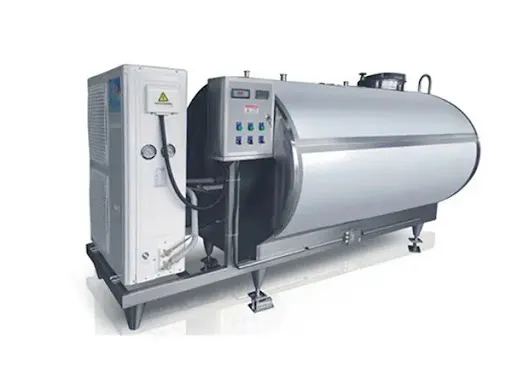
Milk cooling tanks are used to cool freshly harvested milk quickly and keep it fresh, maintaining nutritional value. While buying this equipment, you must evaluate the tank’s capacity, energy efficiency, and cooling speed and fit it to the volume of milk your farm produces.
3. Pasteurizer
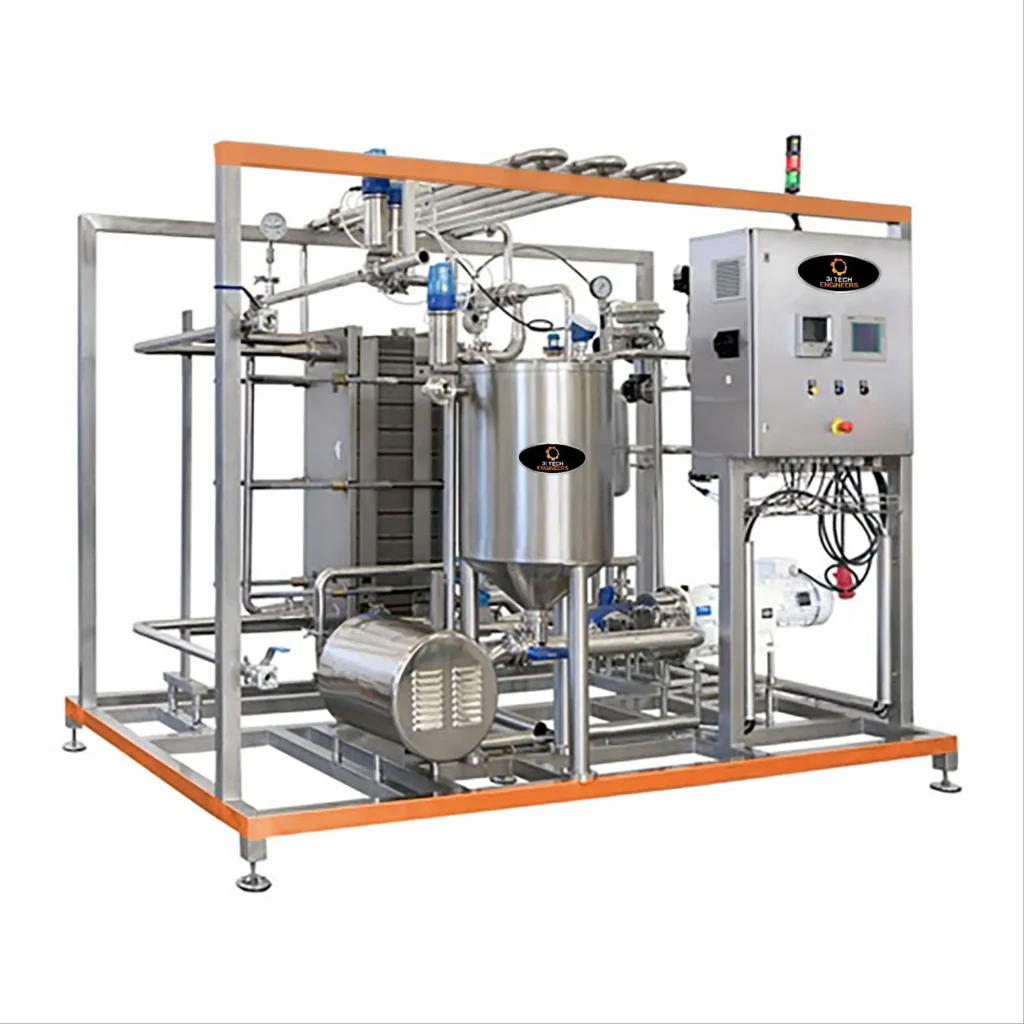
Milk Pasteurizer Plant Manufacturer are used to heat milk to kill harmful bacteria while preserving its quality. You must buy this equipment with accurate temperature controls. It provides the suitable processing capacity for your dairy products.
4. Cattle Feed Equipment
This equipment includes feed mixers, silage cutters, and conveyors and provide balanced feed to your cattle. You must buy the equipment that fits the feed recipes, improves nutritional value, and simplifies the feeding process.
How to Choose the Right Dairy Equipment for Your Small Business
Finding the right dairy plant equipment for your small business is important to improve production, and ensure the product quality and enhance efficiency. Here are the factors you should consider while buying the equipment.
1. Type of Dairy Products
You should identify your product line and understand whether you’re producing milk, cheese, yogurt, butter, ice cream, or other dairy products, and find the right machine. For example, yogurt production requires incubators and fermenters, and cheese production needs cheese vats, curd mills, and pressing machines.
Make sure to consider the customization while buying the right dairy equipment. Ensure that the equipment you buy adapts to the product variety and fulfills different production volumes and specifications.
2. Production Capacity
To buy the right equipment, you must assess your volume needs. Think about the scale of your operation, whether it is small-scale, medium-sized, or large-scale production. The machine’s capacity must fit your daily or monthly production requirements. You should also consider your growth potential. If you want to grow your business, then it is suggested to buy machines with higher capacity that maintain quality or performance.
3. Energy Efficiency
Because Dairy processing can use a lot of energy, you have to consider energy efficient features of machines before buying it. It is suggested to purchase energy-efficient machines to reduce electricity consumption, operating costs, and environmental impact.
Look at the Energy-saving features. Some modern machines come with energy-saving technologies such as heat recovery systems or efficient motors.
4. Technology and Automation

You must consider the Automation level of machines while buying it. Automated dairy processing machines reduce manual labor, enhance consistency, and speed up production. However, it is more expensive.
Choose equipment on the basis of your business size, budget, and need for automation. Also, look at the control systems while purchasing. It is suggested to buy machines with digital controls and monitoring systems, and ensure precise management of temperature, pressure, and time.
5. Quality and Hygiene Standards
Another factor to consider is the quality and hygiene standards. Dairy products easily get contaminated, so you have to choose the equipment made with food-grade materials like stainless steel, which is easy to clean and maintain.
Also, check the compliance with regulations. Ensure that the equipment you buy adheres to the food safety standards and certifications.
6. Maintenance and Support
Check the maintenance and support of the equipment while buying. It is suggested to buy equipment that is easy to clean and maintain because it needs frequent cleaning to avoid bacterial contamination. Must buy a machine with few moving parts, so it is easy to maintain
Ensure that the manufacturer provides reliable after-sales service, technical support, and availability of spare parts. This helps minimize downtime and ensures long-term machine performance.
7. Budget and ROI
Some high-end machines may have a higher upfront cost but can offer better efficiency and durability in the long run. It is suggested to balance your budget with your needs for quality and productivity.
Think about long-term cost savings from improved efficiency, reduced waste, and lower labor costs. Estimate the potential ROI based on increased productivity and product quality.
8. Space and Layout
To find the right machines, you must consider the physical space in your facility and how the machine fits into your production layout. Ensure the equipment integrates easily into the existing workflow.
Make sure that the dairy plant equipment should be designed for operators to use easily, ensure smooth workflows and reduce risk of accidents.
Budget Planning for Small Dairy Equipment
Planning the budget is important to set up the small dairy business because it affects your profitability levels and investment. The costs of equipment vary on the basis of production capacity, automation level and technology.
You should find the balance between quality and affordability to ensure efficient operations and future growth. Here is the cost breakdown to help you make a budget for dairy equipment purchasing.
| Setup Type | Automation Level | Estimated Cost |
| Basic Setup | Manual / Semi-Automatic | ₹5 – ₹15 Lakhs |
| Mid-Level Plant | Semi-Automatic / Partial Automation | ₹15 – ₹50 Lakhs |
| Fully Automated Plant | Fully Automatic | ₹50 Lakhs and Above |
Investing wisely in the right category ensures better returns, improved efficiency, and long-term sustainability for your dairy business.
Conclusion
Choosing the right dairy equipment is essential for running a successful small dairy plant. The right Food Processing Machinery improves production efficiency, ensures product safety, and maintains consistent quality.
By selecting equipment based on production capacity, automation level, hygiene standards, and budget, dairy businesses can build a reliable and profitable operation.
If you are planning to set up or upgrade your dairy plant, working with experienced manufacturers like Envitro Technomech can help you choose high-quality and efficient dairy processing equipment tailored to your business needs.
Also Read: Automatic vs Semi-Automatic Filling Machines
FAQs
Q1. What is the Important Equipment for Small Dairy Plants?
Ans: The essential dairy equipment you must buy is the milk storage tanks, pasteurizers, homogenizers, chilling systems, and basic packaging machines. These machines ensure the smooth dairy processing operations at your unit.
Q2. What is Essential Equipment for Making Milk?
Ans: Homogenizers, separator machines, pasteurization equipment, centrifuges and packaging machines are used to make the milk. Each machine has a different purpose and is used at different stages of milk production at the dairy plant.
Q3. Is an Automaton Required for a Dairy Unit?
Ans: Automation is not mandatory, but it is helpful to improve efficiency, ensure consistent product quality and reduce labor in your dairy plant.
Q4. How Much Does It Cost to Set Up a Small Dairy Plant?
Ans: Its cost depends on automation, capacity and equipment quality you are looking for. The average costs of small dairy plants lies between 5 lakhs to 50 lakhs. Contact the trustworthy Dairy Products Machinery Manufacturers to discuss your business needs and get a cost estimate.
Q5. Which is the Best Material for Dairy Equipment?
Ans: Food-grade SS materials like SS 304 or SS 316 are suitable for dairy equipment. It is because of the durability, corrosion resistance and hygiene properties of machines.