
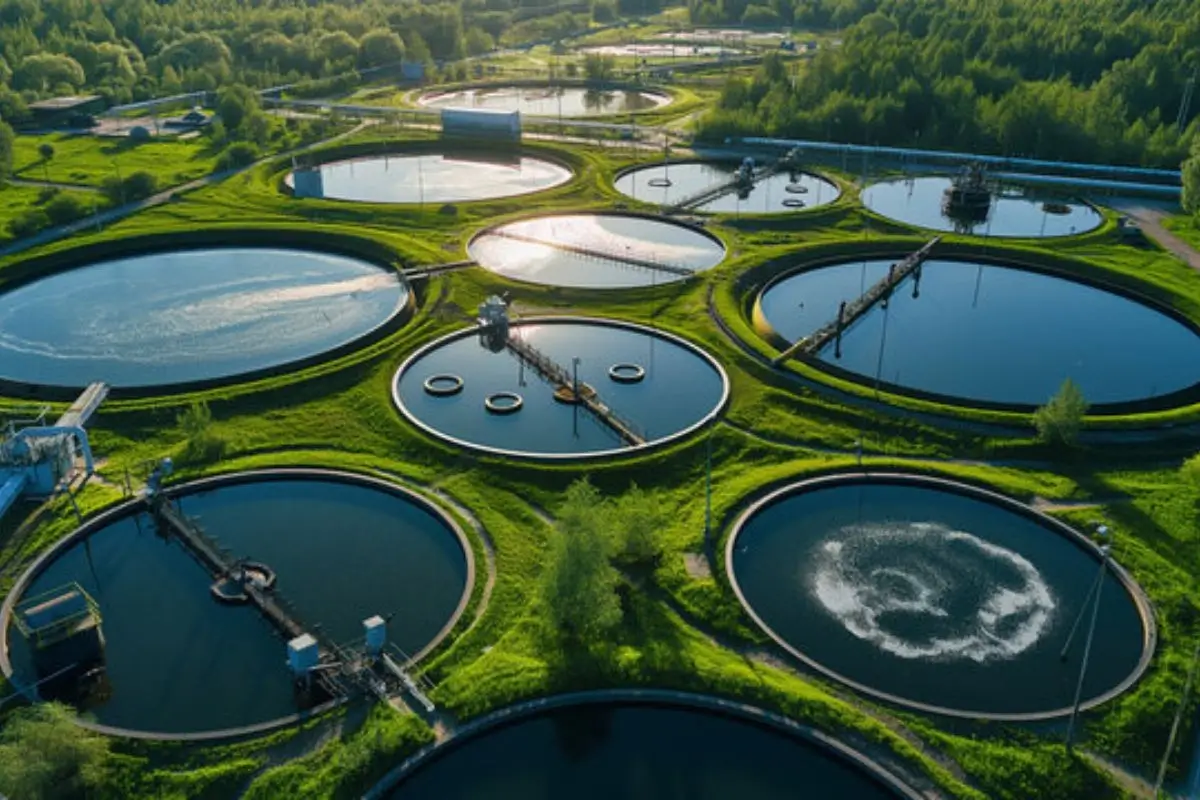
Water is the lifeline of industries, and we need to manage it efficiently. So the role of Water Treatment Plants comes here. The Water Treatment Plants are the engineered solution that purifies and processes the water for industrial use.
The different types of water treatment plants ensure that water meets the quality standards and allow the industries to recycle, reuse and reduce the environmental footprint.
In this blog, we are going to tell you different types of Water Treatment Plants used in industries, including the sewage treatment plan, drinking water treatment plan, industrial treatment plan, etc.
Common Types of Water Treatment Plants
There are different types of water treatment plants available used for different purposes. Let us discuss each in detail below.
1. Drinking water treatment plants
The drinking water treatment plants are used to purify the water for human consumption. It is used in multiple treatment processes like coagulation, sedimentation, filtration, disinfection, etc, as follows:
- Coagulation and Flocculation: During this process, chemicals are added to water to neutralize the charges and make the larger particles called flocs. Then it is removed from the water easily and purifies it for drinking purposes.
- Sedimentation: Flocs settle to the bottom of the tank because of their heavier size, and can remove the suspended solids from the water.
- Filtration: During filtration, water passes through several filters like sand, gravel, or activated carbon and removes the remaining microorganisms, particles and dissolved impurities.
- Disinfection: Chemical disinfectants like UV radiation or chlorine help to kill the harmful microorganisms in water and make it safe for drinking.
2. Wastewater Treatment Plants (WWTP)
The wastewater treatment plants are used to treat contaminated water. These machines are used to treat the wastewater from industrial or populated sectors and remove pollutants from it. By using this equipment, water is treated in an efficient way before it returns the water to waterbodies. The different types of wastewater treatment plants available are
- Mechanical Treatment Plants
- Biological Treatment Plants
- Chemical Treatment Plants
- Hybrid Treatment Plants (combining multiple types)
3. Sewage Treatment Plants (STPs)
Sewage Treatment Plants (STP) play a vital role to protect public health and the environment. It helps to process wastewater from homes, businesses, and industries. Proper sewage treatment keeps water bodies free from contamination, which helps aquatic life.
The main method used in STPs is biological treatment. Microorganisms break down the organic matter in sewage. Secondary clarifiers then separate the treated water from solids. Here are the types of Sewage Treatment Plants available
- Conventional Activated Sludge (CAS) Plants
- Trickling Filter (TF) Plants
- Rotating Biological Contactor (RBC) Plants
- Membrane Bioreactor (MBR) Plants
- Lagoon Systems
- Sequencing Batch Reactors (SBRs)
- Moving Bed Biofilm Reactors (MBBRs)
4. Effluent Treatment Plants (ETPs)
Effluent treatment plants are built to handle industrial waste. It consists of the liquid waste generated during manufacturing processes. These plants address specific contaminants from various industries. The different types of Effluent Treatment Plants available are given below.
- Physical Treatment Plants
- Chemical Treatment Plants
- Biological Treatment Plants
- Hybrid Treatment Plants (combining multiple types)
5. Industrial Water Treatment Plants
Industrial water treatment plants are suitable for handling issues like water hardness, dissolved minerals, chemical pollutants, and microbial control. It meets the water quality requirements of the industry. The treatment methods vary on the basis of industry, but widely used methods are
- Reverse Osmosis (RO): It pushes the water through a semi-permeable membrane under pressure and removes dissolved minerals, salts, and other impurities
- Ion Exchange: This removes ions, such as calcium, magnesium, or heavy metals, using ion exchange resins that swap ions in the water with ions on the resin.
- Chemical Treatment: This method is used to add chemicals to adjust pH, remove pollutants, or help with coagulation and flocculation.
- Biological Treatment: This uses microorganisms or biological methods to degrade organic compounds or remove specific pollutants.
6. Combined Effluent Treatment Plants
The Combined Effluent Treatment Plants are smaller wastewater turbines that help to treat their effluent together. Smaller manufacturers and various operations create these kinds of water treatment plans. It fits different facilities in a grouping of industries to combine their effluent in a central plant for treatment.
Comparison of Different Types of Water Treatment Plants
Here is the quick comparison table on the different types of water treatment plants
| Type | Purpose | Applications |
|---|---|---|
| Drinking Water Treatment Plant (DWTP) | It purifies the raw water and makes it safe for human consumption | Housing societies, Municipalities, and bottled water industries |
| Wastewater Treatment Plant (WWTP) | Wastewater treatment plans work to treat the contaminated water from domestic or industrial sources. | Municipal sewage, mixed-use zones, and industrial parks |
| Sewage Treatment Plant (STP) | STP is used to process domestic and commercial sewage by using biological treatment methods | Residential complexes, hotels, hospitals, offices |
| Effluent Treatment Plant (ETP) | ETP treats industrial effluents generated during manufacturing and production processes | Textile, chemical, pharmaceutical, and food processing industries |
| Industrial Water Treatment Plant (IWTP) | IWTP works to prepare or condition water for industrial operations and process requirements | Power plants, steel, cement, electronics, and refineries |
| Common Effluent Treatment Plant (CETP) | CETP gives shared wastewater treatment facilities for multiple small and medium enterprises | Industrial clusters, industrial estates, SME zones |
Choose Envitro Technomech to buy Water Treatment Plants
Envitro Technomech is a trusted partner among food processing machinery manufacturers, suppliers, and maintenance partners. They specialize in building, operating, and maintaining various types of wastewater treatment plants, serving a diverse client base across different industries.
Conclusion
Understanding the different types of water treatment plants is important to make informed decisions about water management and sustainability.
Each machine, whether it’s a Reverse Osmosis (RO) plant, an Effluent Treatment Plant (ETP), or a Sewage Treatment Plant (STP), play vital role to maintain cleaned and safe water resources. RO plants work efficiently and remove impurities from drinking water through filtration processes.
On the other hand, ETPs focus on treating industrial wastewater to lessen environmental damage, and STPs handle sewage waste to protect public health. Knowing the differences between these plants helps industries to choose the right solution for their needs.
You should focus on factors like costs, capacity, maintenance needs, and regulatory compliance to choose the machines from food processing machinery manufacturers. Understanding these aspects can help stakeholders implement effective solutions tailored to their circumstances.
FAQs
Q1. What is the Main Use of Industrial Water Treatment Plants?
Ans: The main use of water treatment plants in industries is to purify the water and ensure compliance with industry standards.
Q2. How Do the Water Treatment Plants Work?
Ans: The water treatment plants process the water through the chemical, physical and biological methods and remove contaminants from it. Hence, it maintains the quality of water for drinking and industrial use.
Q3. How Does the Industrial Sector Benefit From Water Treatment Plants?
Ans: The industrial sector gets benefits from water treatment plants because they help to conserve water resources and ensure compliance with strict regulations.
Q4. How Does Advanced Technologies Increase Water Treatment Efficiency?
Ans: The technologies integrated in water treatment plants, like AI and IoT, enhance predictive maintenance, real-time monitoring and process optimization and increase efficiency.
Q5. What Industries Use Water Treatment Plants?
Ans: The industries where the water treatment plants are used are textiles, pharmaceuticals, and power plants.
Read Also: Different Types of Food Processing Equipment and Their Uses