
Key Takeaways
- Setting up a food processing unit requires detailed market research, financial planning, and regulatory compliance.
- Selecting the right location with access to raw materials, utilities, and transportation is critical for operational efficiency.
- Mandatory licenses such as FSSAI, GST, MSME/Udyam, and factory approvals ensure legal and safe business operations.
- Investing in advanced food processing machinery improves productivity, hygiene standards, and product consistency.
- Partnering with an experienced Food Processing Machinery Manufacturer ensures customized solutions, technical support, and long-term reliability.
- Strong quality control systems (HACCP, SOPs, testing protocols) are essential to maintain food safety and brand reputation.
- Skilled manpower, efficient supply chain management, and proper raw material sourcing directly impact production stability.
- Effective branding, packaging, and distribution strategies help your food products compete in domestic and export markets.
The food processing industry in India is one of the fastest-growing industrial sectors, driven by rising consumer demand and value-added food products. A food processing unit converts raw agricultural materials into processed, packaged, and ready-to-consume products through systematic industrial operations.
Businesses planning to establish a unit must focus on market analysis, infrastructure planning, regulatory compliance, and selecting reliable food processing machinery manufacturers to ensure long-term operational efficiency.
What is a Food Processing Unit?
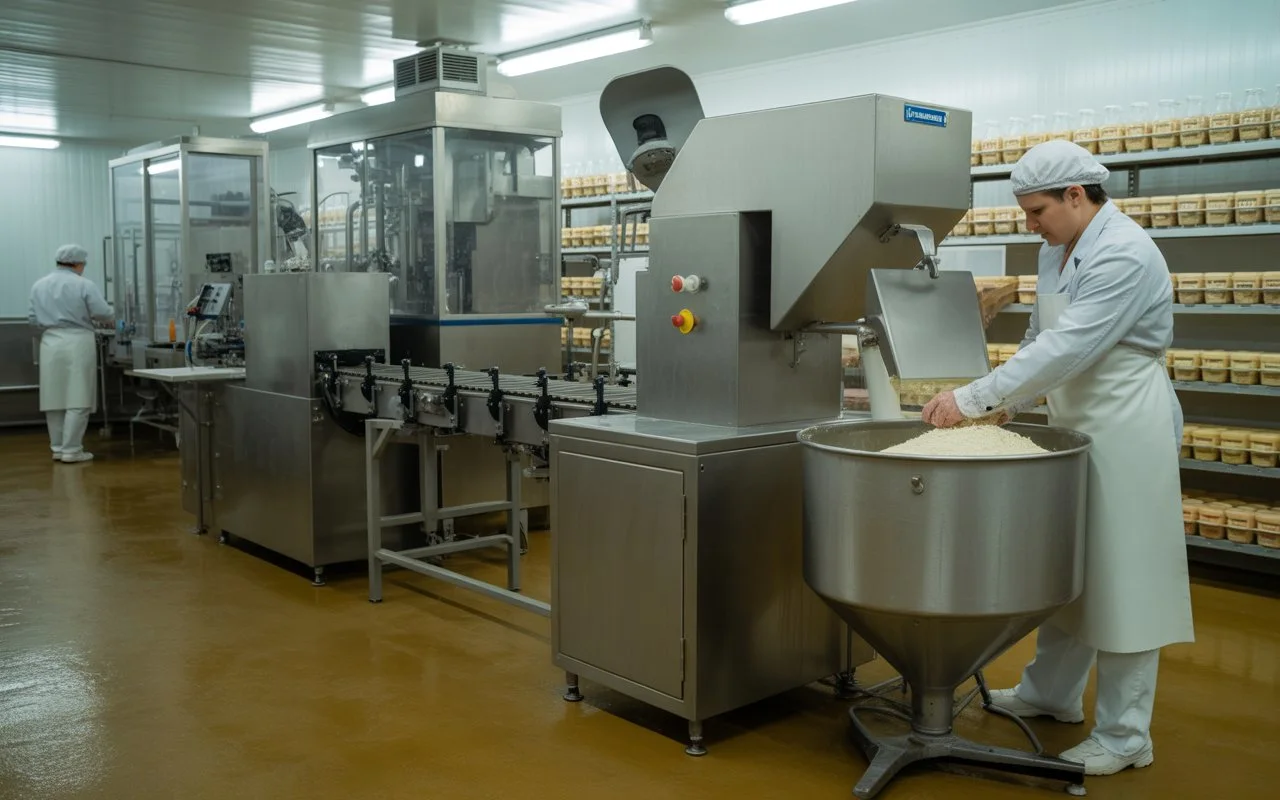
A food processing unit is an industrial facility or plant designed to transform raw agricultural materials into safe, edible, and value-added food products. Using processes such as cleaning, grading, cutting, heating, freezing, and packaging, the unit enhances product shelf life, safety, and market value.
An Approach to Start a Food Processing Unit in India
Starting your food processing business means dealing with many plans and rules set by the government. This process involves the legal steps that make up your legal food business operations. Here is an approach that helps you to start smoothly and legally
1. Research & Market Analysis
Comprehensive market research is the foundation of a successful food processing business. Investors must evaluate product demand, competition, pricing trends, and consumer preferences. Economic feasibility studies help determine production scale, target markets, and profitability.
Selecting the appropriate legal structure—such as LLP, Private Limited Company, or Partnership—ensures regulatory compliance and financial stability.
2. Create the Business Plan
Make sure to have a solid business plan before starting your food processing industry or factory. You should include your company goals, expectations, in-demand products, and descriptions in the plan.
You should also outline the project workflow that will guide machinery installation. Additionally, it must also cover quality control measures, financial projections, and marketing strategies.
3. Complete Legal Registration
In the food processing industry, compliance is crucial. Regulatory compliance is mandatory in the food processing industry. Businesses must obtain:
- FSSAI License
- GST Registration
- MSME/Udyam Registration
- Factory License
- Pollution Control Board Clearance (if applicable)
Compliance builds consumer trust, ensures food safety standards, and prevents legal complications.
4. Location
Finding the right, prime and accessible location is important to set up your food processing unit. It is suggested to choose a site that offers you smooth accessibility to water, electricity, labor, raw material and transportation. Consider government tax policies and subsidies as well.
An ideal location should factor in these elements, along with access to raw materials. The perishable nature of food products and timely availability also require attention to ensure a steady supply throughout the year.
5. Invest in Good Technology
Investing in modern Food Processing Machinery significantly enhances productivity, hygiene, automation, and product consistency. Selecting an experienced Food Processing Machinery Manufacturer ensures customized solutions, compliance with food safety standards, and long-term operational reliability.
Essential equipment may include:
- Washing and sorting systems
- Cutting and blending machines
- Cooking and dehydration units
- Packaging machinery
- Cold storage systems
Automation reduces waste, improves efficiency, and supports scalable production.
6. Source Quality Raw Materials
Reliable sourcing is key to consistent production. For the consistent raw materials supply in your industry, you should maintain good relationships with farms or suppliers, clearly define quality standards for raw materials and maintain proper storage to prevent spoilage. The raw materials you choose directly impact your brand reputation.
7. Focus on Food Packaging and Processing
Another important step you should complete to set up your food processing unit is to focus on food packaging and processing. Good packaging is important to improve branding, shelf life and consumer appeal.
Make sure your packaging is food-grade and eco-friendly. Keep it sealed and labeled correctly. Make sure to display the nutritional information and certifications on packaging, and boost marketability and productivity.
8. Funding
Funding is the crucial thing to complete. You are unable to open your food processing business without funding. So ensure that you have adequate funding for ongoing operations and to uphold its value chain.
Funds vary depending on the industry’s nature and size. To prevent running out of funds, companies should have shareholders and a steady source of financing for fixed and variable expenses.
9. Hire Skilled Manpower
Starting a food production business requires many employees. To grow, you’ll need factory workers, cooks, marketing and sales managers, human resources managers, and cleaners, among others.
Hire skilled individuals who can perform well. Be ready with backup employees if someone is sick. Look for candidates with relevant experience and proven success. A capable team can help maintain your brand image.
10. Set Up Quality Control Systems
Implement quality control measures includes
- Use Hazard Analysis and Critical Control Points (HACCP) principles.
- Create standard operating procedures (SOPs) for each process.
- Regularly test raw materials and finished products for quality.
- Keep detailed records of quality control activities.
11. Branding, Marketing & Distribution
Effective branding and distribution strategies are essential for market success. Businesses can expand their reach through:
- E-commerce platforms
- Retail chains and supermarkets
- Hotels and restaurants
- Distributors and wholesalers
Digital marketing and strategic branding enhance visibility and customer trust in competitive markets..
How Envitro Technomech Helps You
Envitro Technomech is a trusted manufacturer, supplier, and exporter of advanced Food Processing Machinery in Rajkot. We offer reliable and cost-effective solutions for the food industry. With a strong focus on quality engineering, hygiene standards, and durability, our machineries boost productivity and ensure consistent output.
By providing technical expertise, prompt after-sales service and tailored compliant solutions to our customers, we are recognized as the best food processing supplier in India.
Conclusion
Establishing a food processing unit requires strategic planning, regulatory compliance, infrastructure development, and investment in high-quality food processing machinery. By partnering with an experienced machinery manufacturer and implementing strong operational systems, businesses can build a sustainable and profitable food processing enterprise.
For expert consultation and advanced machinery solutions, connect with Envitro Technomech to streamline your plant setup process.
Also Read: How to Select Food Processing and Packaging Machinery
FAQs
Q1. What Are the Initial Steps to Set Up the Food Processing Unit?
Ans: You should start with market research, identify high-demand products, make a business plan, and get funding. These are some important steps you take earlier to start your food processing unit.
Q2. What is the Best Location to Set Up a Food Processing Business?
Ans: The best location is near good transportation access, raw material selection, water and electricity access. It is also suggested to set up your unit near food parks and industrial zones, to get better infrastructure facilities and regulatory support.
Q3. How Much Investment is Required to Start a Food Processing Unit?
Ans: Investment for a food processing business depends on the automation and scale. Small units start with minimal capital, and large setups require funding for packaging, machinery and quality control systems.
Q4. Which Licenses and Registrations Are Necessary to Start a Food Processing Business?
Ans: You must have the FSSAI license, GST registration, MSME registration, and pollution control approvals to operate a food business legally.
Q5. What Equipment and Infrastructure Are Necessary for a Food Processing Unit?
Ans: The basic equipment and essentials required to start a food processing unit are cleaning, cutting, drying, cooking, and packaging equipment.