
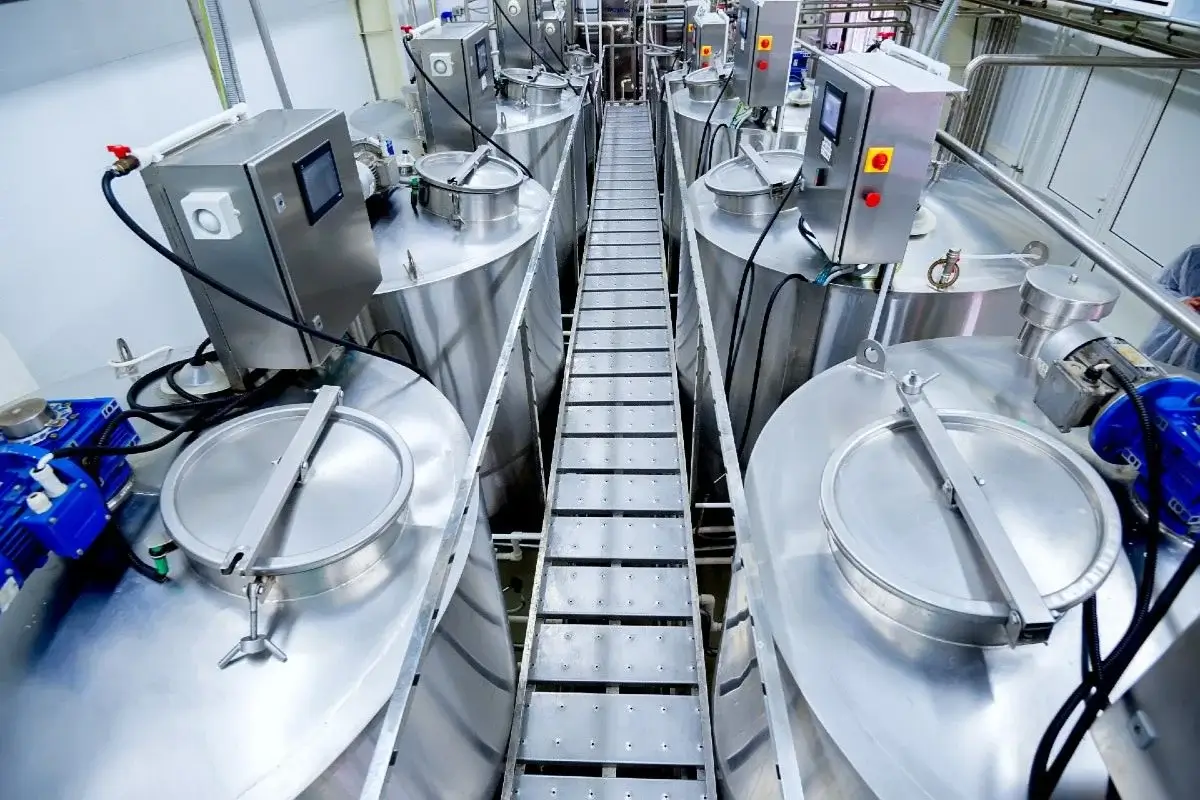
Automation in Dairy Processing Plants offers various benefits, such as quality control, better safety, high efficiency and traceability. The Benefits of Automation in Dairy Plants can reduce manual errors and increase precision.
It also maintains consistency in producing high-quality results and reduces human errors. From precision to quality and consistency in food products, there are various benefits of automation in the dairy industry. Read this complete blog to know about the benefits of automation in modern dairy processing plants.
Forms of Automation Usage in Dairy Processing
There are two main ways automation used in Food Processing Machinery today
- Prior to facility manufacturing: The manufacturers of dairy processing plants often include different levels of automation during manufacturing. It involves installing automated milking systems and using industrial robots for product handling and packing. It may also involve vision systems and sensors to check product quality and other factors.
- During production: After a plant is operational, many automation options exist to enhance output and efficiency. It consists of equipment like conveyor belts and pumps operated by programmable logic controllers (PLCs), using batch process control software to oversee multiple tasks at once, and implementing automatic cleaning and sanitizing systems within the plant’s operations.
Potential Benefits of Automation in Dairy Processing Equipment
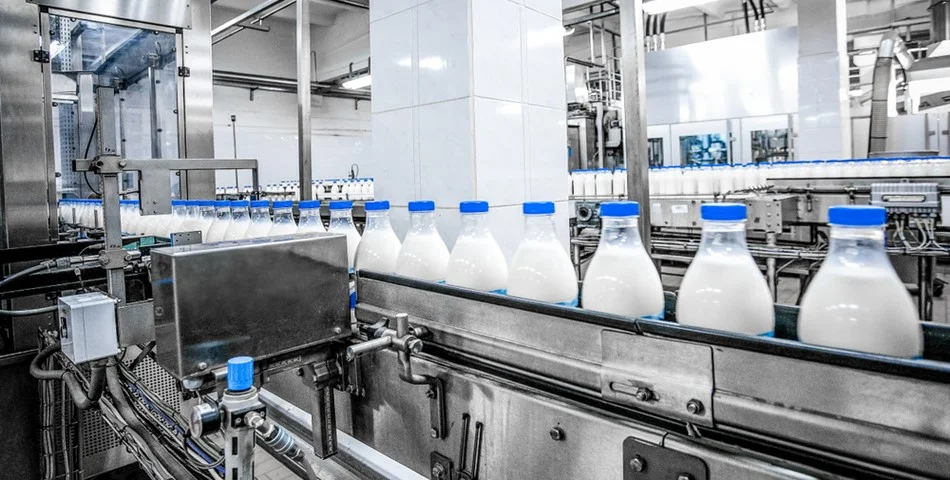
Here are the Benefits of Automation in Dairy Plants
1. Food Safety
Automation reduces the reliance on human control, lowering the chance of human error in the production process. With rising foodborne illnesses, authorities are tightening regulations to ensure consistent product safety and quality.
Automating processes like centralized controlled cleaning during production helps prevent contamination from mixing processed products with unprocessed ones and accidental interactions with cleaning solutions.
2. Consistent Quality
Automation in dairy processing makes the machines able to operate for long periods with less variability. It also maintains consistency in processed products. Optimizing these processes can help standardize all products that leave the plant. Controllers allow plant managers to adjust their production units according to defined workflows.
3. Improved Production Capacity and Better Control
Automation in Food Processing Machinery creates robotic systems that work continuously, 24/7, in contrast to human workers. Introducing new product lines without disrupting current operations can help to enhance capacity.
Integrated systems give precise control to dairy farms and plants over their production processes. These information management systems generate automated reports on production data for effective planning and optimization of plant operations.
4. Cost Optimization and Resource Management
The automation also provides financial benefits to the dairy industry. Even the upfront cost is high, but it provides you with long-term savings. It reduces the labor costs by 40-75% in certain operations. It also reduces the training and onboarding expenses.
In fact, it also reduces the material waste by controlling resources. With its predictive maintenance capabilities, it decreases the high energy consumption, enhances sustainability and reduces maintenance costs.
5. Improves Convenience and Scalability
Automated systems can be quickly reprogrammed to adapt production schedules or product formulations. This flexibility enables dairy processors to respond swiftly to market demands and launch new products.
It allows operations to scale up as needed based on demand. Robotics enhances scalability, adapting easily to varying production needs.
6. Sustainability
Dairy processors often set the goal to maintain sustainability. Automation in the dairy processing industry helps to achieve sustainability by optimizing the process and cutting down on waste. Using such energy-efficient machines is crucial, as it can reduce overall power consumption. Many automated systems can also recycle or reuse materials wherever possible, helping to lower waste production.
7. Traceability
Automation in dairy plant management streamlines the tracking of products. You can set up an inventory tracking system that begins at the reception of raw materials and continues throughout the production process to batch tracking of finished products. This makes it easier to trace and investigate defective products that might reach the shelves.
Enhancing Hygiene Standards in Dairy Processing Plants through Automation
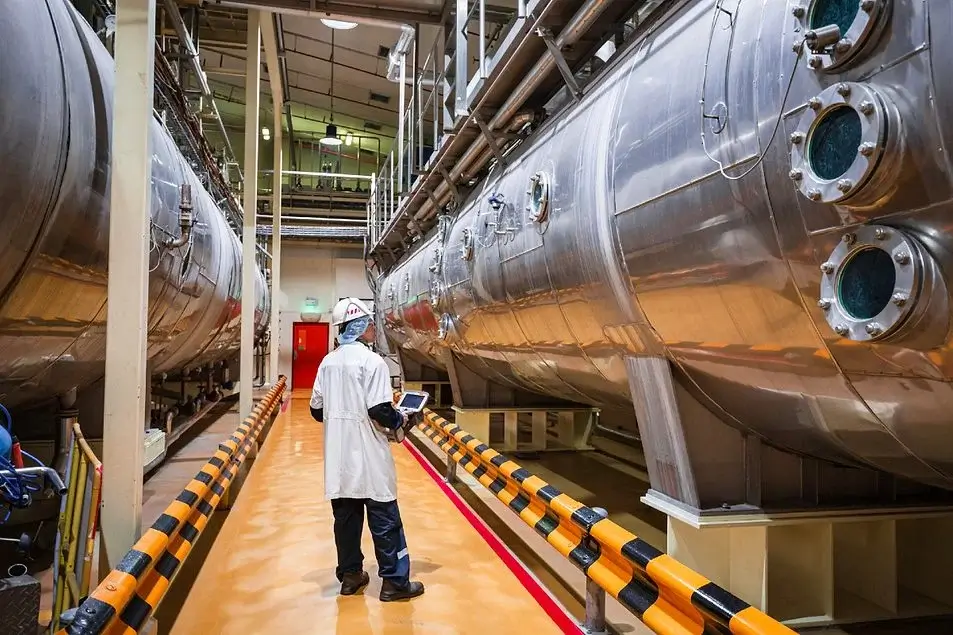
Maintaining high hygiene levels is crucial in dairy production to prevent contamination and ensure consumer safety. Automation helps improve hygiene in several ways.
1. Clean-in-Place (CIP) Systems
CIP systems automate the cleaning of tanks, pipelines, and milking equipment without needing disassembly. These systems follow strict cleaning protocols with controlled water, detergent, and sanitizing cycles. The consistency of CIP systems greatly lowers microbial risks.
2. Reduce Human Contact
Automated milking and packaging systems limit direct human contact with milk and equipment, reducing the contamination risk from external sources like skin, clothing, or airborne particles.
3. Environmental Control
Automation can also manage climate conditions within dairy facilities. These systems control temperature, humidity, and ventilation to maintain the best environment for milk storage and animal welfare. Controlled conditions prevent bacterial growth and preserve product quality.
4. Hygiene Documentation and Compliance
Automated systems keep detailed records of cleaning activities, equipment sterilization, and environmental conditions. These logs support compliance with food safety regulations and assist in internal quality audits.
Partner with Envitro Technomech to buy Dairy Processing plants
Envitro Technomech provides advanced automation solutions for the Food Processing Machinery. They supply high-quality and precise equipment, reduce manual work, enhance efficiency and maintain the product quality.
These automated technologies of machines streamline every step of the dairy process, increase productivity and ensure hygiene compliance. So if you want to elevate the dairy operations through smart automation, then Envitro Technomech is the right choice for you.
Conclusion
Automation in dairy equipment can address the industry’s ongoing issues related to human error and hygiene. Benefits of Automation in Dairy Plants standardize operations, enable real-time monitoring, and reduce contamination risks. Automated systems lead to safer, more efficient, and sustainable dairy production.
While implementation requires careful planning and investment, the long-term benefits in quality assurance, regulatory compliance, and operational efficiency make automation crucial for modern dairy management.
FAQs
Q1. What is Automation in Dairy Processing Plants?
Ans: The automation in the dairy processing industry means using advanced machines, control systems, sensors, etc and performing seamless operations. It controls quality better, reduces human intervention and enhances consistency.
Q2. How Does Automation Enhance Product Quality in Dairy Plants?
Ans: The automation ensures the precise temperature control, consistent processing parameters and accurate measurements. It reduces human error and contamination risks and results in uniform dairy products.
Q3. Is Automation Affordable for Small Dairy Plants?
Ans: Yes, the automation is affordable for small dairy plants, and helps them to start with partial automation in areas like milk pasteurization, filling, or packaging. It helps the small dairy plants to reduce labor costs and increase quality.
Q4. What Are the Key Technologies Involved in Dairy Plant Automation?
Ans: The key technologies involved in dairy plants’ automation are Programmable Logic Controllers (PLCs), Supervisory Control and Data Acquisition (SCADA) systems, robotics, Internet of Things (IoT) sensors, and AI-based quality monitoring systems.
Q5. Does Automation in Dairy Processing Support Sustainability?
Ans: Yes, the automation in dairy processing supports sustainability, optimizes the water and energy usage, reduces product waste, and ensures resource efficiency. It also results in less carbon emissions and supports sustainable operations.
Read Also: Top Food Processing Equipment Manufacturers